|
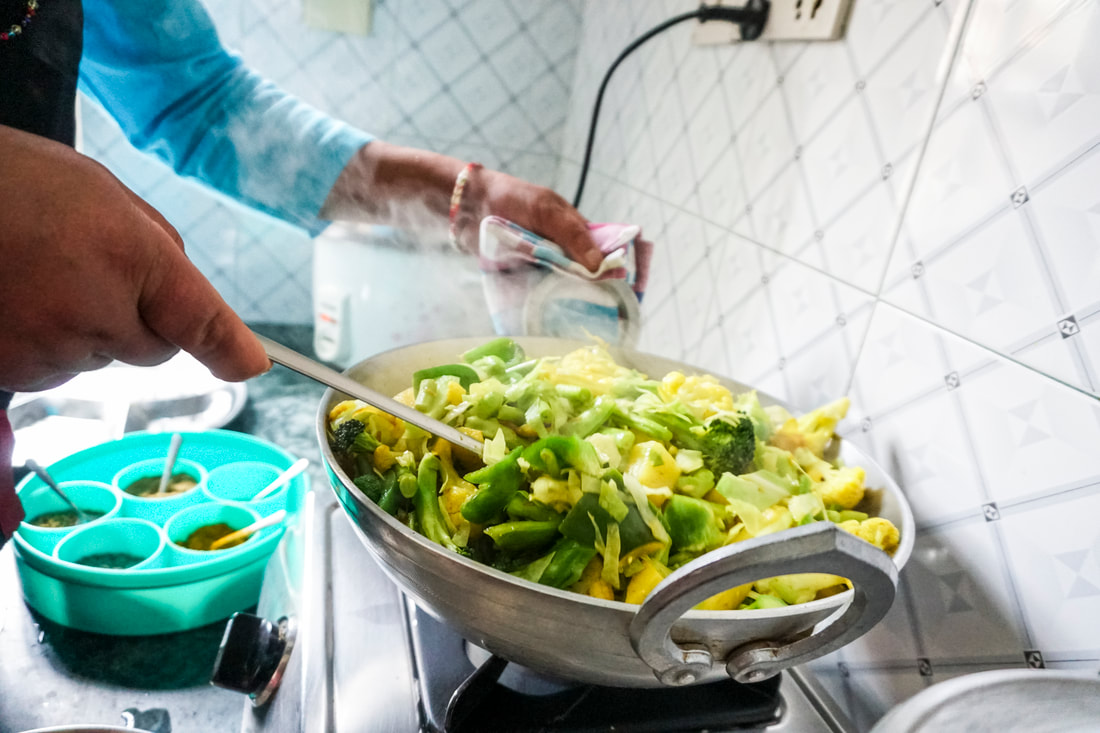
We expanded our trips offering two new opportunities to travel to Nepal 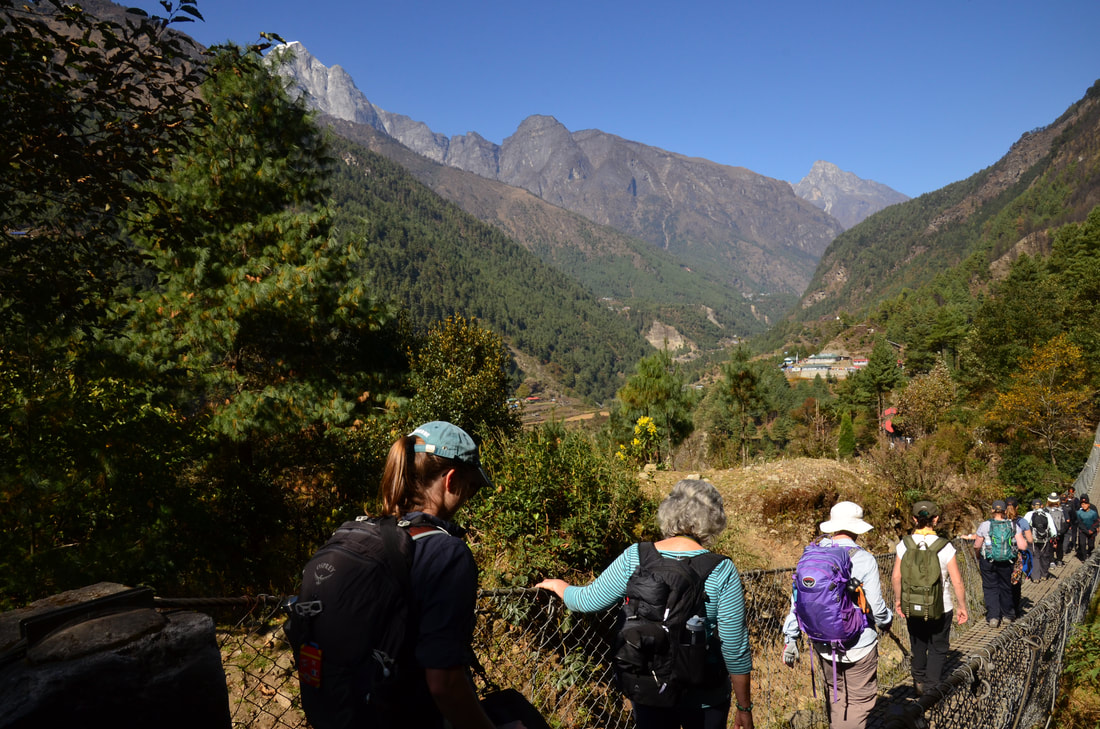 We were thrilled to partner with Fernwood Tuggeranong, a female gym and health club in Canberra, to run a trip in March. We ran our first Women Empowering Women trip with nine women from across Australia. These trips provide valuable funding for critical care for survivors of trafficking and abuse, but they also are an opportunity for our community to gain an understanding of Nepal and the complexities facing women and girls through meeting Nepali community leaders, artisans and entrepreneurs. Travel with us in 2020! Read more about our trips over on our blog & sign up below to be the first to know about this year's trip. We continued our strong partnerships in Nepal We're proud to mark 5 years in our partnership with Asha Nepal. We supported the development of the growth of the women-led catering program with new women undertaking training. The women also landed a catering booking for a 5-day local government training session for over 30 people! Both our women's trips to Nepal enjoyed cooking alongside the women in their homes.
0 Comments
It’s been a week since we waved goodbye to these 9 brilliant women who joined us on our women empowering women trip, making it the 7th trip we’ve taken to Nepal. 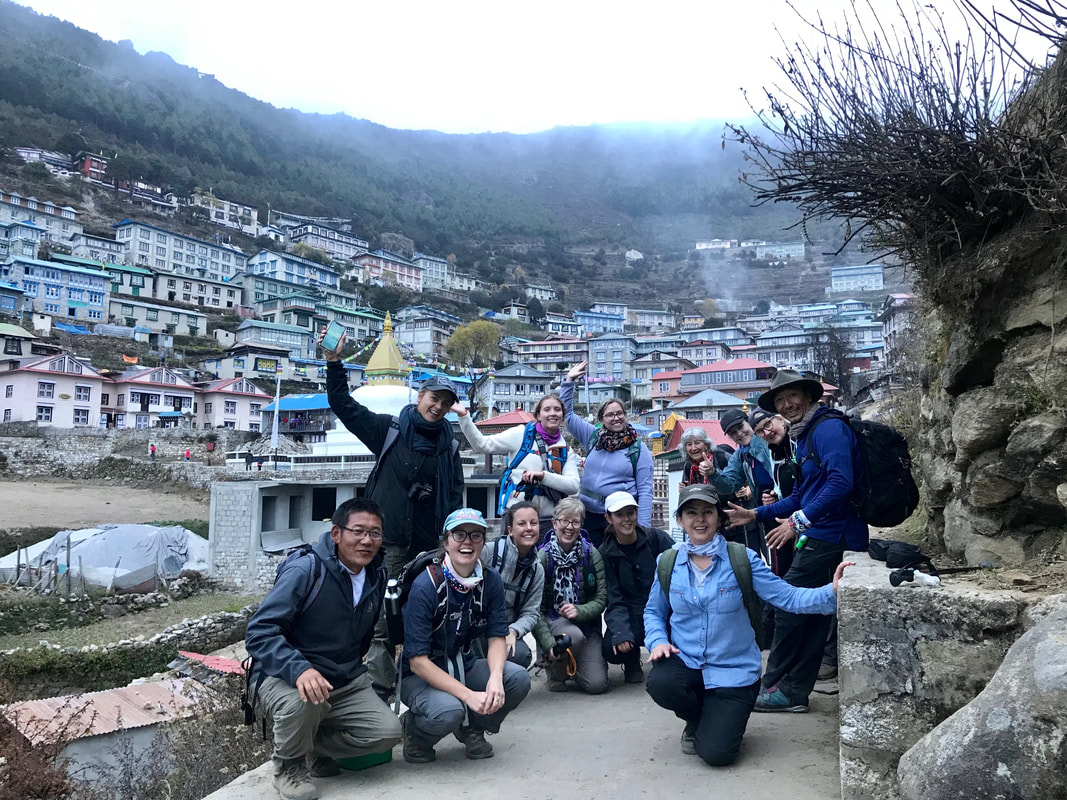 We’re grateful that they chose to travel this way. Through the trip's contribution to our work in Nepal and through the women-led organisations we support through our tourism, the trip opens opportunities for women and girls, who have experienced adversity, discrimination, trafficking and violence.
But who is empowering who? It is our intention that it goes both ways, that the trips are a shared learning experience. You can think of it a bit like Nepal’s roads where everything and everyone is going all directions (with the occasional cow added into the mix!). Despite the different destinations, the shared journey is the fun bit! Emerging unscathed from the Nepali traffic, here's what we learnt on our most recent trip. This week we're in Sydney to introduce Board Member, Chloë Spackman, who joined our team earlier this year. What is your day job? My 365-day job is being a mum to my curious, chubby-cheeked one year old, Augie. My other day job is as Director of Programs at non-profit the Australian Futures Project. The simplest way to explain what we do at Australian Futures Project is to say that we're committed to ending short-termism in Australia by understanding the root causes and then engaging leaders, experts, and the public to identify and implement systemic solutions. At Project Didi, we’re all about empowering women to bring about positive change. Which women do you look up to? There are so many, and thanks to a world of democratised technology I can follow them and connect with them all over the world. You wouldn't know it when you look at mainstream media or entertainment, or the data around female leadership in business or sport or government - but I see and hear stories every day about incredibly talented, resilient, unique, uncompromising and unapologetic women doing things that change lives and history. I find every story and every little action inspiring. Here's an example I just read five minutes ago about Indigenous women bringing their knowledge of country to fight fires and abate greenhouse gases as rangers. 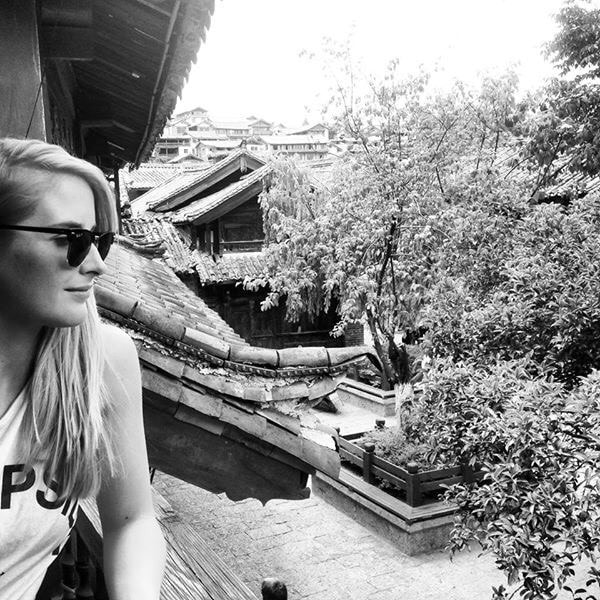 Chloë in Lijiang Old Town whilst on a cycling tour of the Yunnan Province in China. This week we're taking you to Nepal to meet Clare Bartram, who recently joined our Board. Clare, who normally calls Canberra home, has been a volunteer with us since the beginning. She and Kira are in Nepal leading our women empowering women trip. What would you share about Nepal with someone who hasn't been? Nepal has an awesome community of young entrepreneurs, innovators and artisans - and it's growing! There is a really positive movement towards made in Nepal, keeping creative talent and production local. In the absence of effective government action, grassroots solutions are emerging. Youth marches to #Strike4Climate, a revitalisation of traditional Nepali fabrics in ethically made fashion and Kathmandu's waste turned into homewares (tackling the city's major waste management problem). We could learn a lot from Nepal's entrepreneurs! What's your day job? I'm a student! I've just started a Masters in Slavery and Liberation with the University of Nottingham, the first course of its kind. I'm learning about the incredible citizen-driven movements that ended the slave trade in the 19th century, right up to trafficking and forced labour in the supply chains of modern companies, that make the products we buy. It's fascinating and challenging - I'm lucky I get to take a year focus on this and Project Didi. 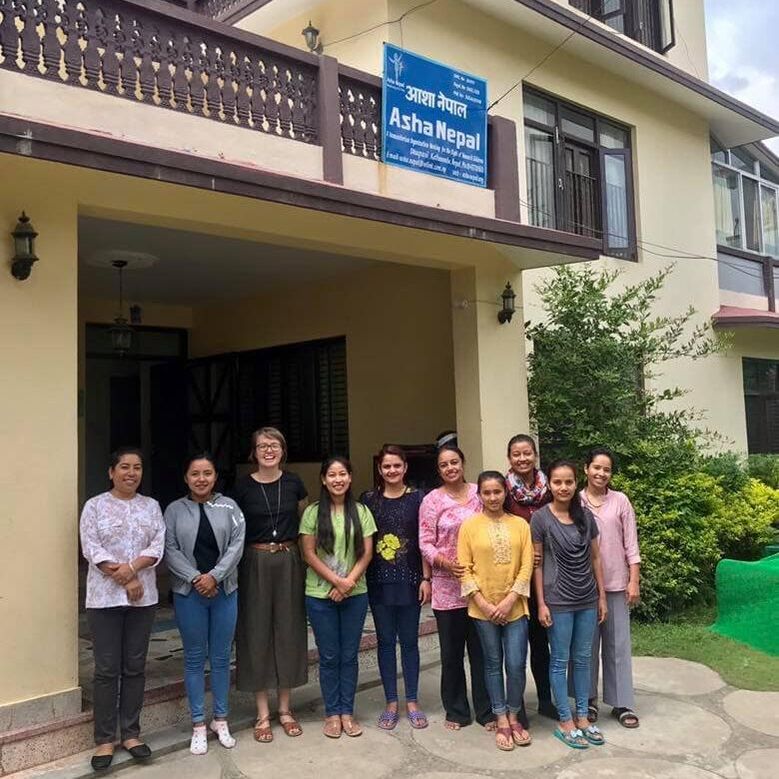 Clare with the Asha Nepal team, our partner in Kathmandu. Meet our fantastic team! This week we're in Sydney with Bryce Morton, who recently joined our Board. As you know at Project Didi, we're all about strong futures for women. Why do you believe it is critical to invest in women? There are a lot of answers to this question, and aside from the fact that women deserve the same agency, freedom, and dignity as anyone, I see the amazing potential for the betterment of Nepalese society (and the world as a whole!) that comes from empowered women. What would you share about Nepal with someone who hasn't been? Hot honey lemon ginger – a truly life changing drink. On a more serious note I wouldn’t share anything as much as I would strongly encourage people to travel to Nepal, it’s such an incredible place that words struggle to do it justice. 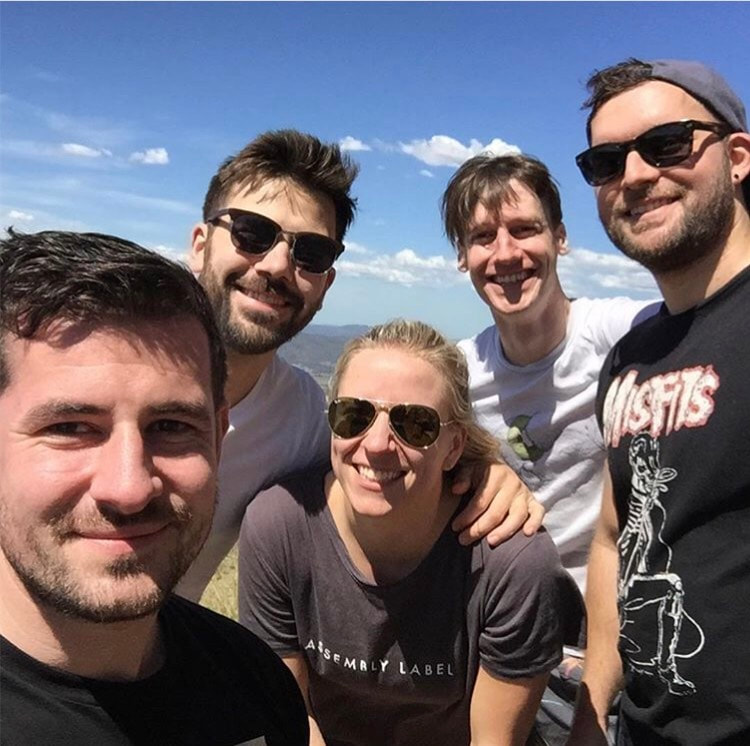 Bryce (far left) with a group of friends hiking in the snowy mountains. Join us as we travel across Australia to introduce you to our wonderful team. This week we're in Sydney with Kira Osborne, who recently joined our Board. What would you share about Nepal with someone who hasn't been? It’s not “just like India” – people often ask this and I passionately respond with a rant about how different the countries are. Nepal is slower and softer, it has a sense of calm even amongst the chaos. What is your day job? Haha which one!!?? I work as a senior policy advisor in child protection and violence, abuse and neglect for the Ministry of Health. I also convene the Masters of Community Development at UNSW, and I work freelance as a research consultant with marginalised communities in informal settlements in South Asia. 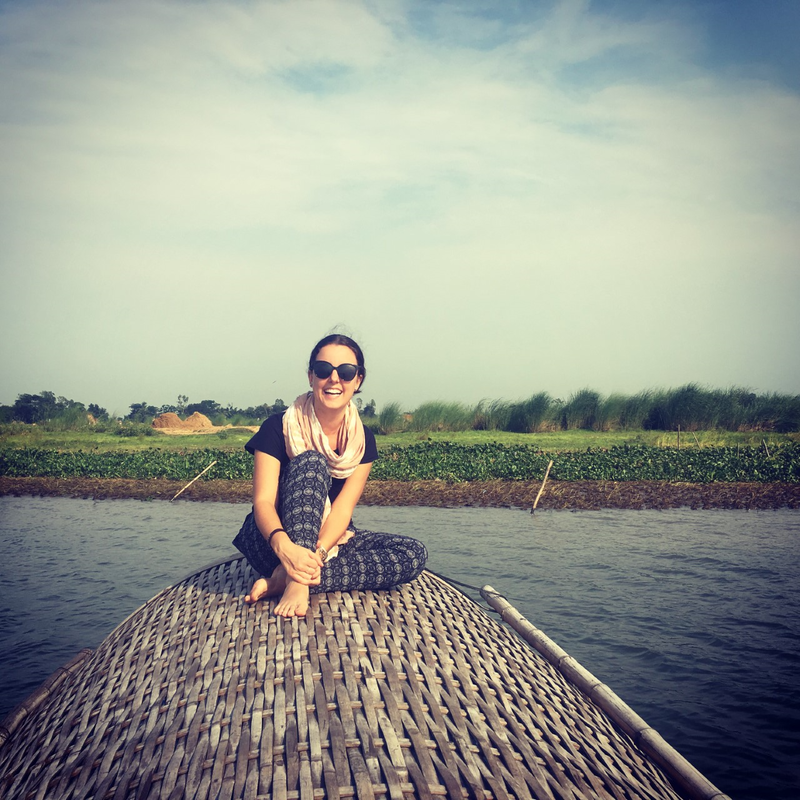 Kira on a day off from a research project in Bangladesh. Kira on a day off from a research project in Bangladesh.
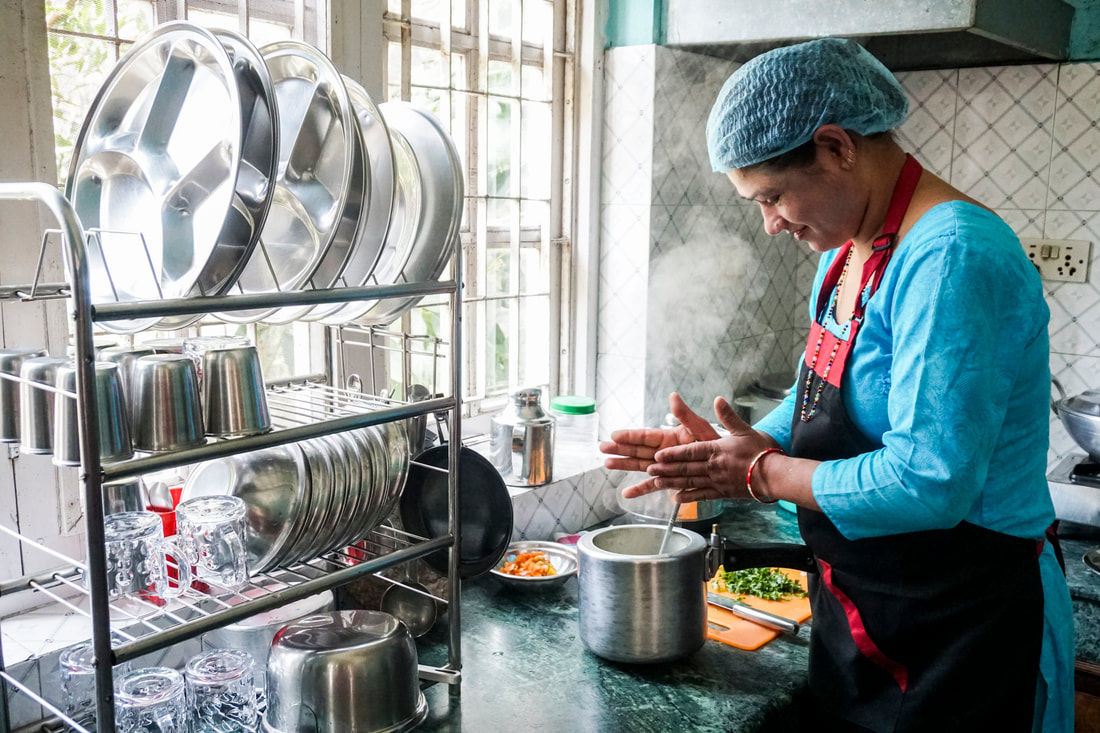
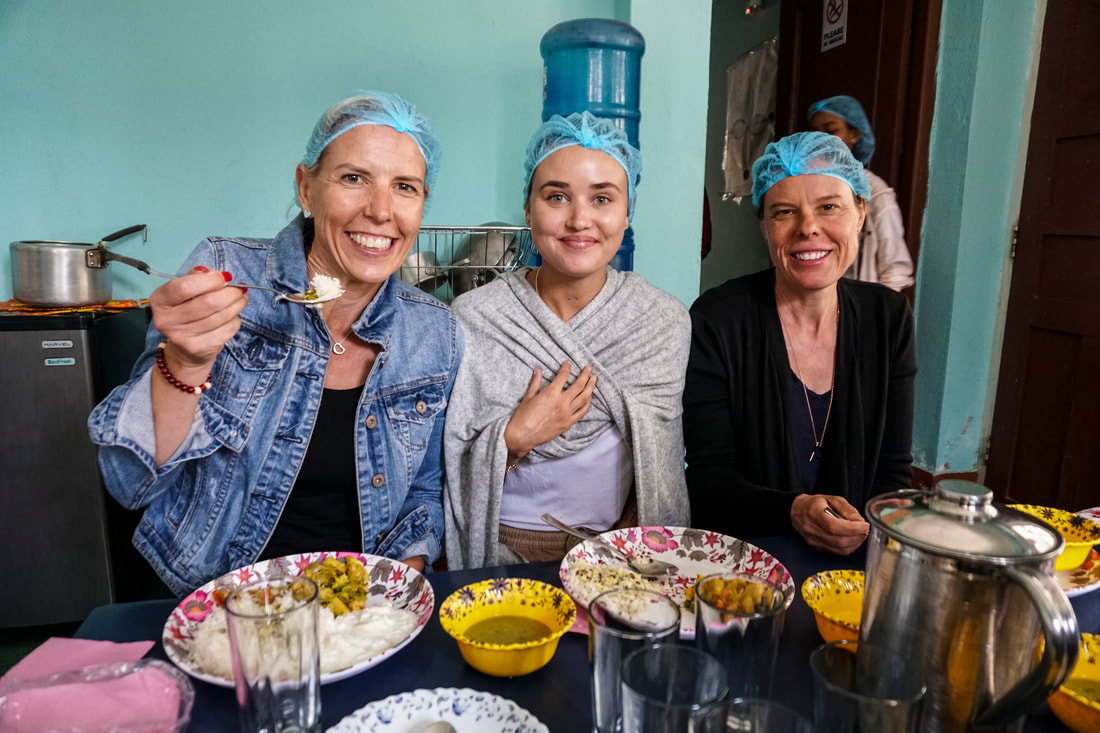
“Amazing”, “spectacular,” and “sensational” were just a few of the words our Fernwood Tuggeranong trekking group used to describe their recent trip to Nepal with us. Seeing Everest, learning to cook a traditional Nepali dinner and experiencing first hand the work being done to support survivors of trafficking and abuse were just some highlights. 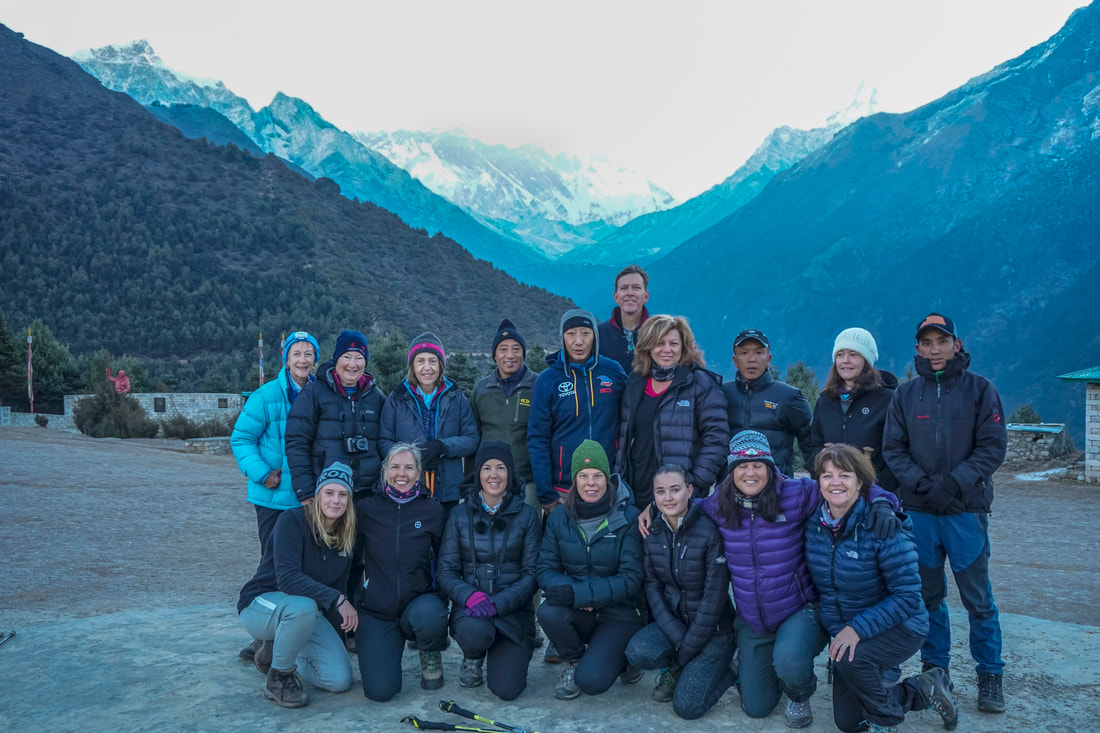 We were blessed with perfect weather and the adventure kicked off with a trek along the first leg of the Everest Base Camp trek where the group got a taste of village life in remote areas of Nepal, spent a day in the traditional Sherpa trading centre of Namche Bazaar, and saw spectacular views of the Himalayas, including Everest and Lhotse. Most had never travelled to Nepal and many hadn’t trekked, overcoming personal challenges they never thought possible, such as a fear of flying in small planes (we flew into Lukla to start the trek), walking along suspension bridges and completing a relatively challenging trek. 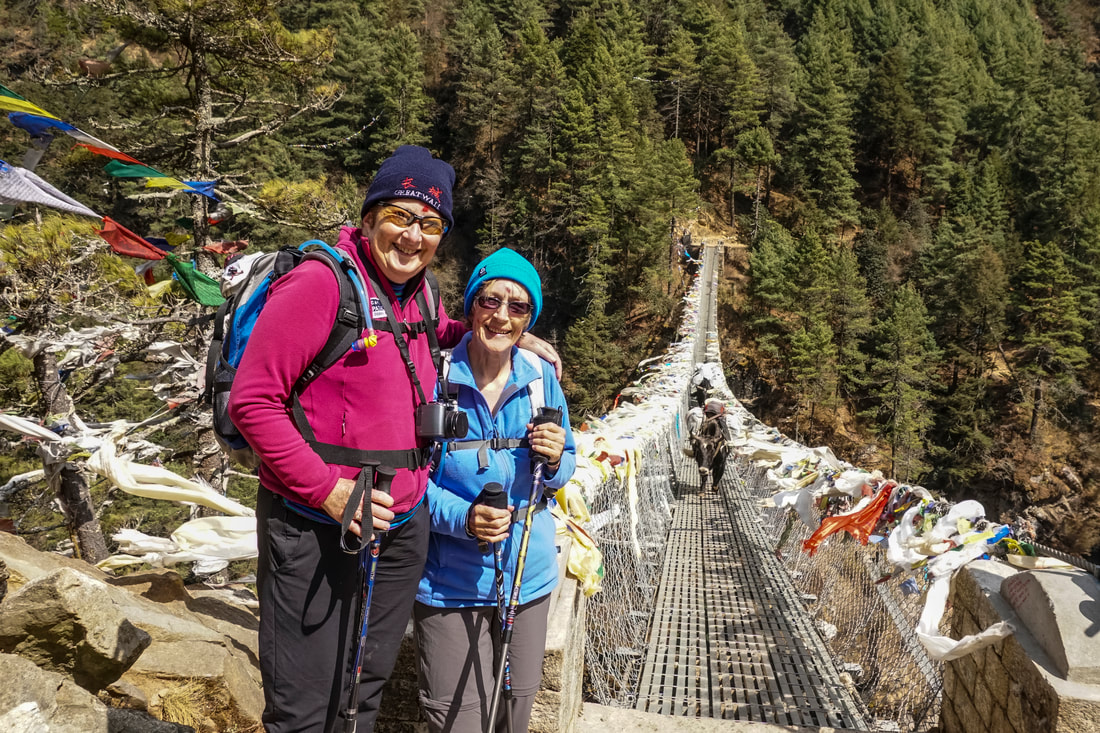 Back in Kathmandu the group spent time at our local partner, learning about the issues of trafficking and abuse in Nepal and the work being done to support survivors. We were also treated to a traditional Nepali lunch prepared by the team at our partner. Delicious! The following day the group learnt how to cook a traditional Nepali dinner of dahl baht and vegetable curry in our partner's family based care homes, small family units for children who have survived trafficking or abuse with a mother who is a survivor herself. The cooking class is a recent Project Didi initiative to provide income generation opportunities for the mothers. A visit to the home also allowed the group to see first hand the positive impact family based care has for survivors. Read more about our family based care.
Other highlights included tours of the UNESCO World heritage Bouddhanath, Durbar Square and the Ason Tole markets in Kathmandu. The tour was a huge success and judging by the feedback enjoyed by all - so much so that plans are already underway for another Fernwood Tuggeranong tour next year! 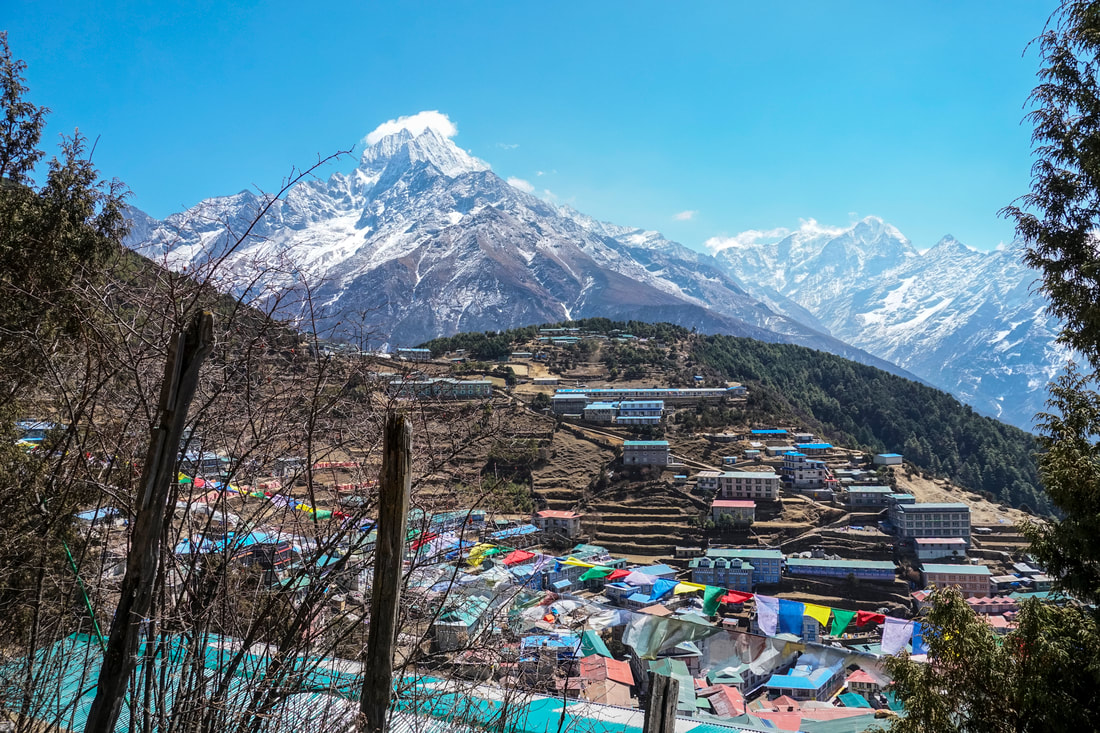 We would like to thank Fernwood Tuggeranong and the participants for making the trip so enjoyable and memorable, enabling us to raised funds to continue our work in Nepal and most importantly raise awareness of the issue of trafficking. Words & images: Leonie Keogh, Project Didi co-founder and Board Member
Almost every day in Nepal is a celebration! From the Buddhist New Year Lhosar, to Hindu festivals worshiping Gods and Goddesses for prosperity, marital happiness, the triumph of good over evil and even to protect against snakebites, Nepal's festivals reflect its diversity and vibrant culture. We asked our fantastic volunteer, Sabina Maharjan a Kathmandu born, Canberra local, to tell us about the significance of Nepal's festivals. Today is Shri Panchami. This auspicious day is dedicated to Goddess Saraswati, the Hindu Goddess of knowledge, music, arts, wisdom and learning. Most Hindus observe this day as highly significant in their journey of learning. 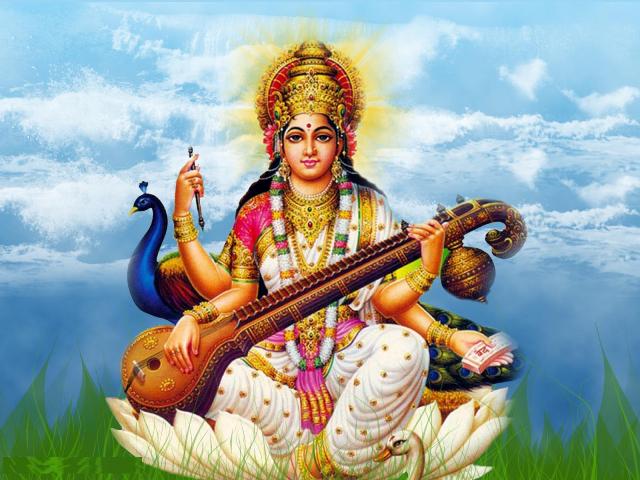 Most people are aware that Deepawali is significant for worshiping Goddess Lakshmi, the goddess of wealth and prosperity and Dashain is significant for worshiping Goddess Durga, the goddess of power and valor. Similarly, Shri Panchami is significant for paying respect to the Goddess Saraswati, the goddess of knowledge and wisdom. Shri Panchami is also widely known as Basanta Panchami, marking the beginning of spring, offering relief after a harsh winter.
Growing up, Shri Panchami was a very important day in my childhood. I believed that if I worshipped the Goddess with due diligence on this day, I would become wiser and more knowledgeable. I would visit Saraswati temples with my friends early in the morning with high hopes of receiving the holy blessing. Although I am now a grown up, I am still keen to learn something new everyday. I hope to learn from my surroundings and the environment I live in, and from every person I interact with. We are all always hoping for something or the other, and it is this very emotion that keeps us motivated and determined. 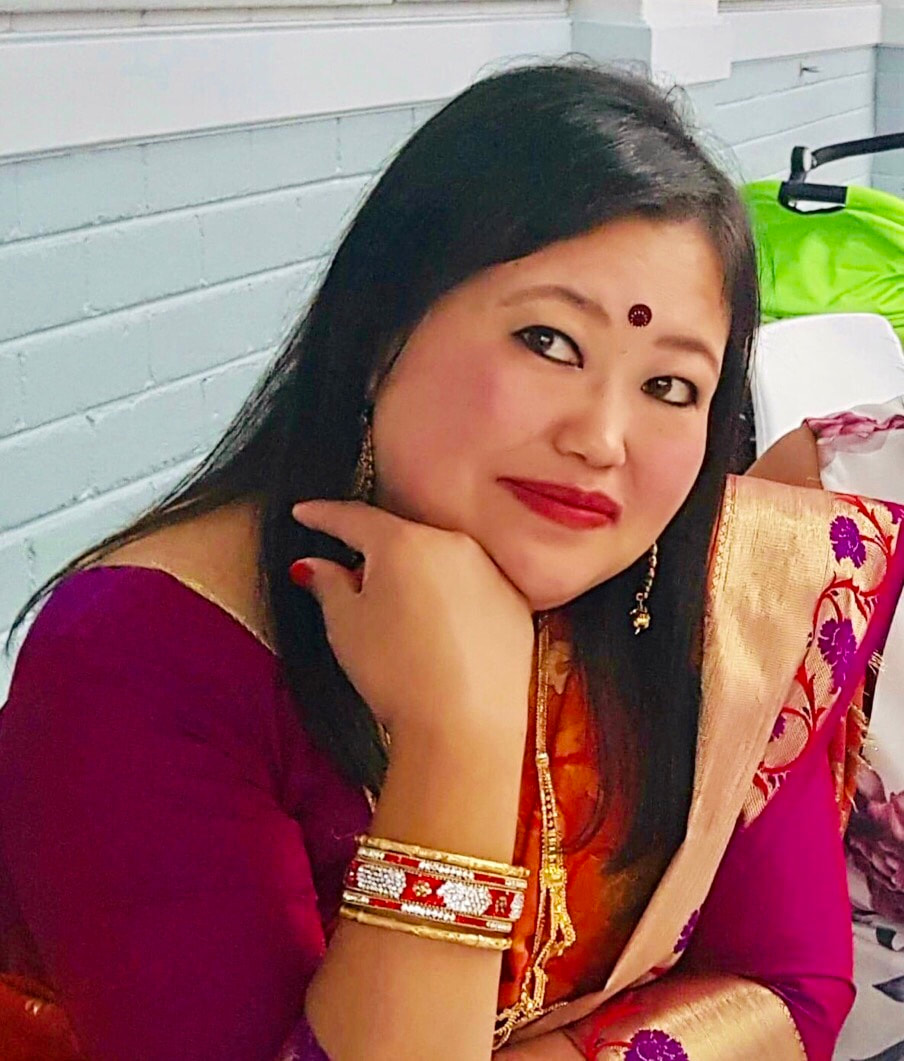 Sabina in beautiful Nepalese dress.
This month, the UN released its Global Report on Trafficking in Persons that examines the prevalence of trafficking, including forced labour, sexual exploitation and forced marriage across 142 countries. It wasn’t good news for women and girls. Trafficking disproportionately affects women and it’s only on the rise, particularly for young girls. The report found that since 2014, there has been an increase in traffickers targeting girls below the age of 18.  The young girls we work with in Nepal, survivors of trafficking, have missed their childhood. They’ve missed critical years of schooling. Stigma often prevents them from finding employment and independence. Their confidence and self-worth has been shattered by years of degradation and violence. These lives seem far away from our reality, but we are hold more power in Australia than we might think to prevent trafficking and ensure that all women and girls have safe, dignified futures. It's not too late to make a New Year's Resolution. Today, for the last day of January, commit to standing up for the freedom of our sisters with these 3 simple steps. 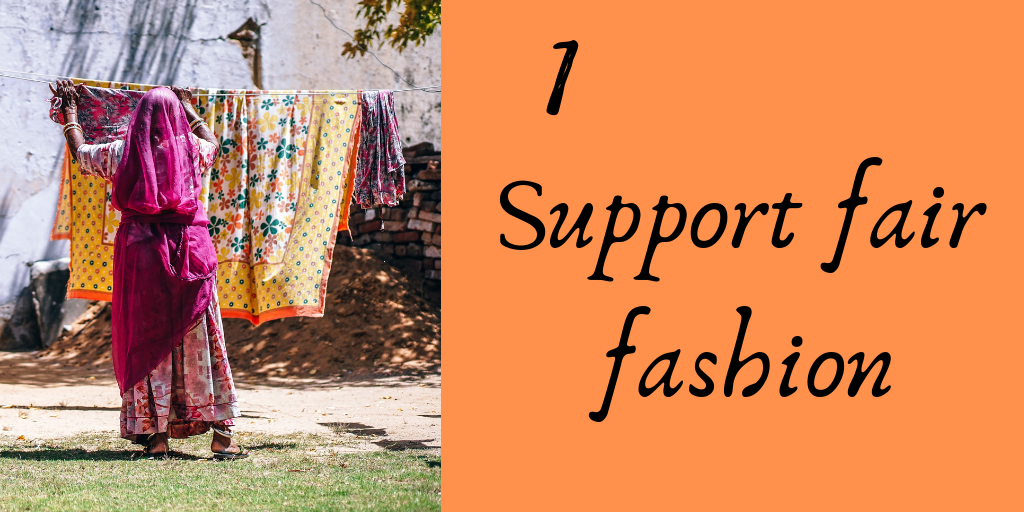 A lack of transparency in fashion supply chains (your t-shirt might pass through hundreds of stages to get to you - from the cotton picking to the printing and packaging!) and a demand for new, cheap and more has fueled forced labour and exploitative, unsafe working conditions for the garment workers, many female, who make our clothes. We hold power in our wallets. Use the Good on You app to look up brands that respect their workers, pay them a fair wage and have no child or forced labour in their production.  On your next trip, take 4 photos of your hotel room and upload them to TraffickCam. The app’s database of photos are used by law enforcement to locate traffickers who are selling women into sexual slavery using online advertisements taken in hotel rooms. 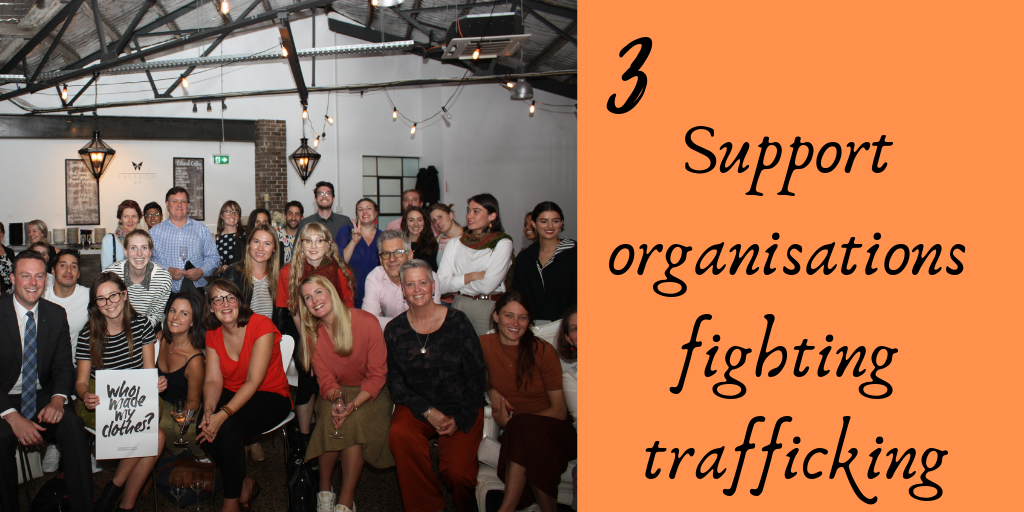 Get involved with organisations, like us, that work to prevent trafficking and support survivors to rebuild their lives! Could you put one of our donation boxes in your office or local cafe? Would you like some of our beautiful cards for your shop? Could you help us run an event? Or are you an admin whizz? We’re always looking for volunteers to support our work with women and girls in Nepal! Author: Clare Bartram
Images: Project Didi & Unsplash. A very Happy New Year to you!When I started Project Didi, with Fiona and Leonie, 5 years ago I couldn’t have imagined that we would have as full and bright a year as 2018. I am proud of many highlights with the women and girls we support. I’d like to share some with you. But first I’d like to say a sincere thank you. Please share in my pride, as we couldn’t have reached 2019 without you and your commitment to making the world a better place. My year started with a wonderfully warm welcome from our partner at Samunnat Nepal. I had a week at this dynamic organisation of inspiring, talented and dedicated women. My lasting impression is of a vibrant community supporting survivors of violence and an entrepreneurial spirit that has created jewellery making, a tailoring shop, a childcare centre, organic gardening and pickle making. Incomes, independence and a future for many! 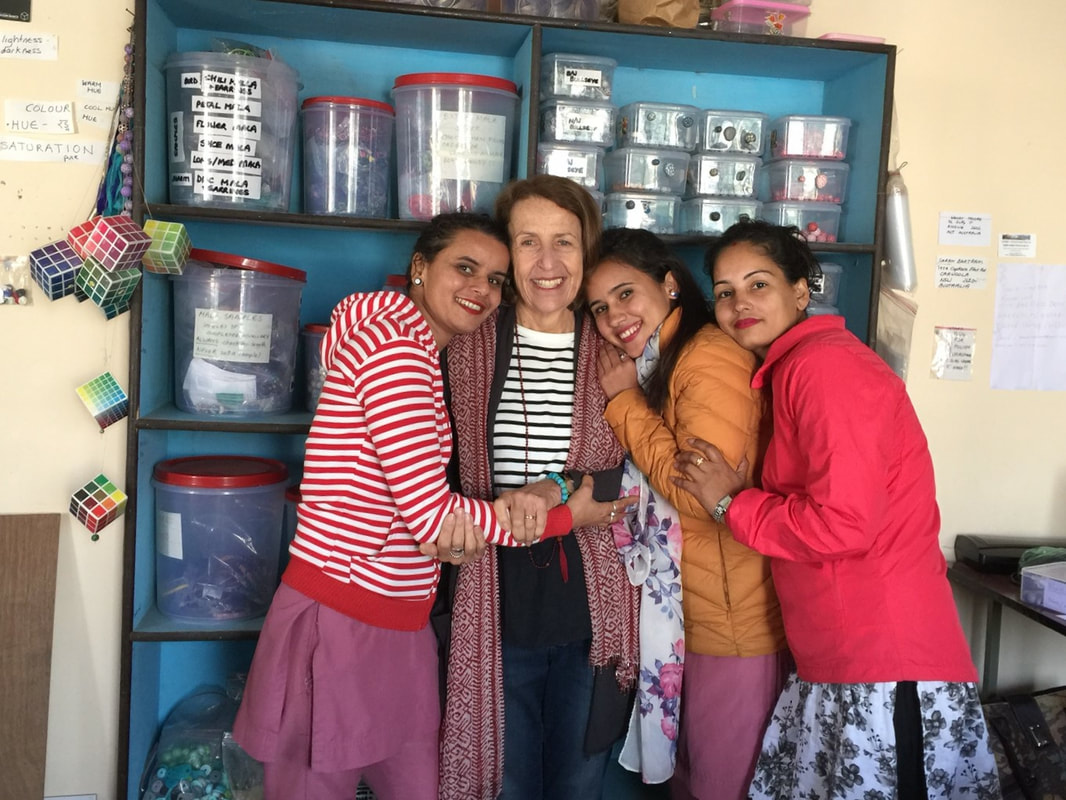 We believe education transforms women, their families and communities and creates generational change. It's our priority girls get a basic schooling, have the opportunity to catch up on missed schooling and have access to further training. My best memory this year, is when 5 women, survivors of violence, gained certificates in Food Handling and Hygiene, now proudly displayed on their kitchen walls. They are working together building their catering business and cooking classes, making small steps towards an income generating success story. The smiles as they work, and receive endless compliments on their dishes (the veg curry is a winner!), are part of that success. 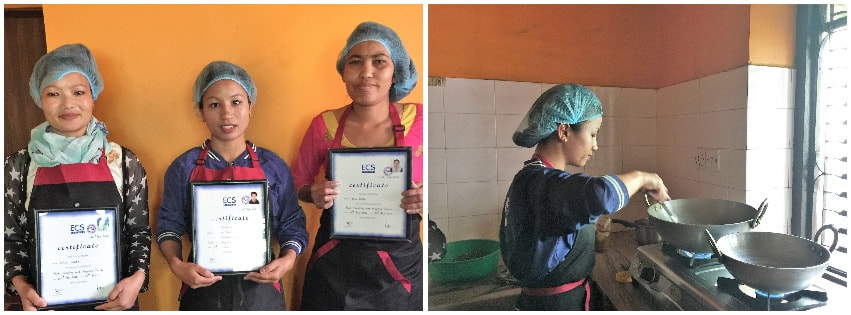 Our Youth to Youth Program, our seventh, was again a highlight. 16 students from St Catherine's School Sydney, joined 25 students from our partner, Asha, in a week of peer-to-peer learning, fun and friendship. The program continued the theme of positive psychology which we all benefited from. The Nepali cooking was a success and the soccer game decisively won by team Nepal! I'm in awe of how the students, Australian and Nepali, own and manage this week and grow through new challenges, experiences and understanding. I believe it changes lives. 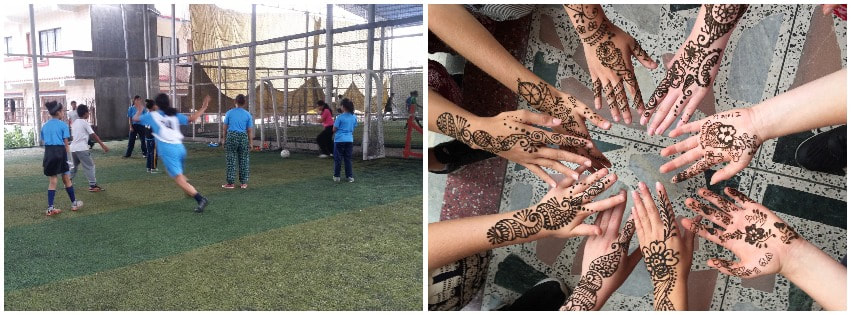 Since the closure, 2 years ago, of the residential home at Asha which provided care in an institutional setting (now widely documented as detrimental to children’s wellbeing), I'm proud our priority has been family care. With your generous contributions to our recent crowdfunding, we are able to continue supporting our "family" of 6 girls and housemother, Binsa, into 2019. In addition to rent, education, counselling and health care, our support includes music and dance classes, sport and the celebration of birthdays and festivals, the important stuff of childhood and family life. The girls recently marked the holidays with their first exciting visit to a water park. We’re committed to working with the girls’ biological families towards reintegration and we’re proud to say, after a long and sensitive process, one of Binsa's girls, Hasri, has successfully reintegrated with her biological mother. In Australia, our wonderful community came together to learn more and speak out about trafficking, gender inequality and child rights. We held screenings of SOLD, which we have now taken across Australia, a panel event with modern slavery experts and our #SomethingForSlavery challenge. A special thank you to the volunteers whose energy and hard work made these events happen! 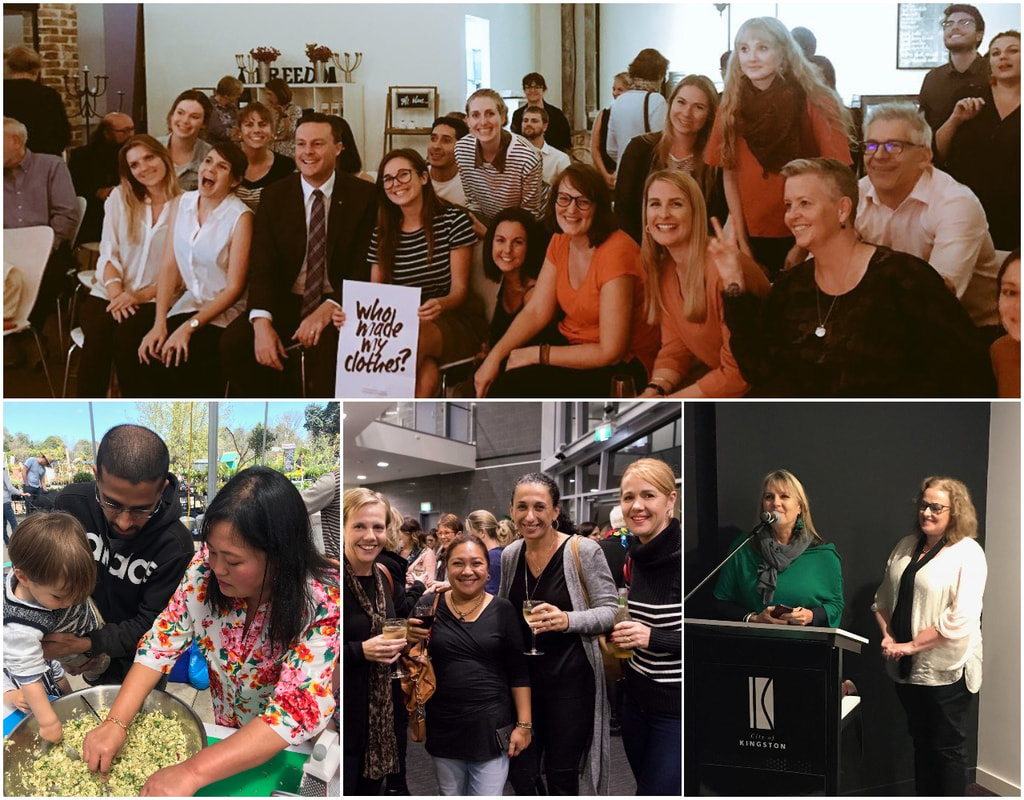 We were thrilled with the passing of Australia’s Modern Slavery Act. The Act makes Australia the first country to recognise orphanage trafficking as a form of modern slavery. Children, in Nepal who in many cases still have one or both parents, are recruited into and, in many cases, exploited in orphanages to attract volunteers and donors, many from Australia. This Act will raise awareness of the vital need for the type of family care for vulnerable children we provide and will bring us closer to ending slavery. I am excited about the year ahead. In a couple of weeks, I’ll be in Nepal working with our partner on a new project. I’m also looking forward to getting to know the 15 ladies from Fernwood Gym Tuggeranong on our trek later in the Everest region. They will meet our partners, enjoy their cooking and learn about our work in Nepal. On behalf of the Project Didi team, our partners and the women and girls in Nepal, a huge heartfelt thank you to the many of you who have been on this journey with us over the years and also to our many new and very valued supporters. We can't do it without you. All the best for a happy, healthy and light filled 2019. Sarah Names of the women and girls in Nepal are changed to protect identities.
|
Archives
March 2023
Categories
All
|

 RSS Feed
Project Didi Australia is committed to restoring hope, dignity and independence to women and girls in Nepal, who have experienced trafficking and gender-based violence, through trauma-informed care, family strengthening and reintegration, education and employment pathways.

|
ABN 68 320 267 277
|