Project Didi Australia
  • HOME
  • ABOUT
    • Who we are
    • What we do
    • Why we do it
    • Our Partners
    • Our Strategy
    • Our Reports & Policies
    • Contact Us
  • Donate
  • Travel to Nepal
    • Women Empowering Women
    • Fernwood Nepal 2026
  • Collaborate
    • Join our team
    • Advocate to end slavery
    • Connect your school with Nepal
    • Stay updated
  • Shop
  • NEWS

#HearMeToo – The time to end violence against women is now

9/12/2018

0 Comments

 
This year, the United Nation’s 16 Days of Activism against Gender-based Violence calls on us to unite to break the silence on violence against women.

​United under the Hashtag #HearMeToo survivors ask their communities to listen and stand with them when they speak up against one of the world’s greatest human rights violations.

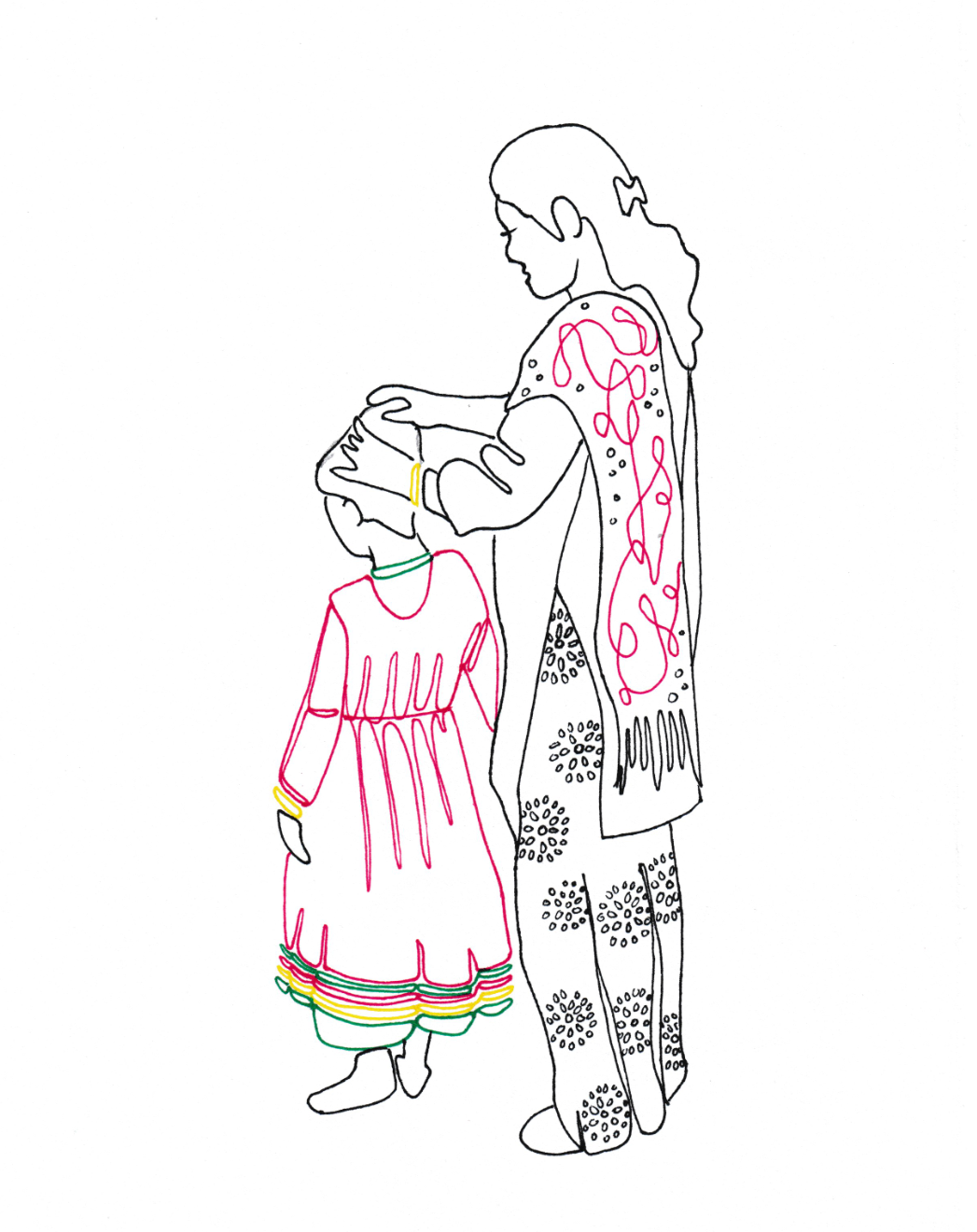
​For Human Rights Day, the last day of the 16 Days, we spoke with our housemother, Binsa*, a survivor, an advocate and an important role model and attachment figure for young girls.
Picture
Binsa, you are currently caring for 6 girls who have survived trafficking and abuse. The youngest just turned 10 years.  What motivates you to do what you do?

​
I’m a mother to six children coming from different cultural and backgrounds. Seeing the world through their eyes gives me the opportunity to learn new things every day. Their stories are different and caring for them I realise that the work I do is important. What I like most is listening to them and their stories and answering the many questions they have. It gives me a great sense of satisfaction.

What are your hopes for the futures of the girls?
​

Like every mother, I hope that they will learn new things, study hard and live a happy life. Additionally, I hope they will be able to talk about their experience and problems openly with the important people in their life. I hope they will grow up to become caring and helpful individuals who find their way back to their families and lead a happy life. 
Picture
What is the one important change needed for women in Nepal?

In my opinion, the traditional Nepali way of remaining quiet and enduring everything has weakened women’s position and exposed them to violence. Also, there is this belief that men are superior to women and women should always feel subordinate to men. If I can change one thing, I will change the way women see themselves, make them realise that they are strong and equal to men.  
 

*Name changed to protect identity.
Help us to continue supporting 
​Binsa's family
Author: Sabine Keller
0 Comments

Families, not institutions: Care for survivors of ​trafficking & abuse.

17/11/2018

1 Comment

 
​What does your family do to celebrate special occasions?
​

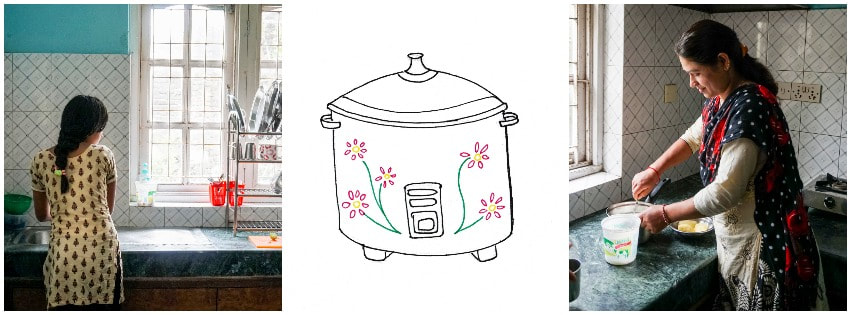
​For Mother’s Day last year, Binsa’s family surprised her. Her daughters hid little notes all over the house with what they loved about her - in the laundry, near the front door and even in the rice cooker.
Picture
The Project Didi family also has reason to celebrate - next year will mark three years of providing family based care to women and girls, who have experienced trafficking and abuse, in Nepal.
Through our local partner, we support Binsa, a survivor herself, to provide a safe home for her biological daughter and five other girls. Three years on and the girls are rebuilding their lives. 

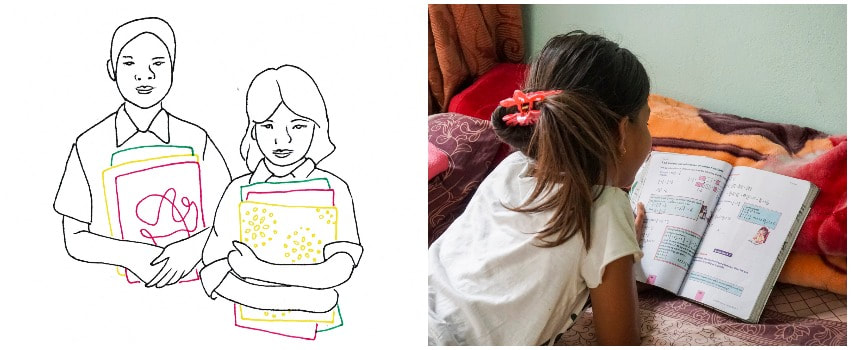
​Urmila, the oldest at 17, has taken the role of big sister in her stride. She helps Binsa with the household chores and leads by example, raising her worries openly with her mother, something she wouldn’t have done when she first joined the home. Sofi, since her beginnings in the home as shy and anxious, has gained enormous confidence. She’s making friends and working hard at school. She just passed her mid-term test with flying colours!
Picture
Ditya was recently reintegrated into the community and is living in a small flat close by the home. She’s been busy – completing her schooling and interning at a local police station as part of a paralegal training program. She said hearing the experiences of violence other women have faced through her internship has made her feel less alone in her own experiences. She stays in touch with our local partner and drops by their centre for career coaching sessions. She’s thinking about what’s next – a law degree or maybe a job as a police woman helping other girls. She’s one to watch!
We’re really proud to have supported our local partner to make this transition to family based care from residential care. ​So, what’s the difference?
Our local partner works with women and girls who have complex trauma backgrounds. Some have been exposed to commercial sexual exploitation, domestic violence or trafficking. Others have taken risky jobs to provide for their families, where they have been abused or forced to do something they don’t want. Residential care facilities - these can be large group homes, orphanages or institutions – cannot address diverse and complex needs. They are big and impersonal and in the very worst cases abusive, neglectful and places for further exploitation or re-trafficking. The damaging impact of growing up in an institution has been well documented for decades.
Picture
Family based care, when well supported and delivered, provides the individualised, consistent care children need. It values the whole individual, helping girls thrive with counselling, life skills development, schooling, sport and social activities, vocational training and career coaching - all part of our local partner’s program. 

​
Family based care allows girls to be girls - ones who love Bollywood movies, dancing and hair braids.

It also provides a role model in Binsa. She models healthy relationships, open communication and resilience. She builds trust and self-confidence.

While family based care is often the best alternative, it can’t replace a child’s biological family. Our priority is always to keep families together. Where this is not possible, our local partner works closely with a girl’s family, while she is in care, towards reintegration. We’re proud to say that one of Binsa’s girls was reintegrated with her mother this year.
Three years of family based care has only been possible with generosity of the Project Didi community.
​

Help us to continue supporting Binsa’s home on our crowdfunding campaign.  We’ve got lots of amazing perks (for the whole family!) to make your donation a little sweeter!
Please donate now
All names have been changed to protect identities.  
Artwork by the very talented Emma Van Veen.
Author: Clare Bartram
1 Comment
Forward>>

    Archives

    June 2025
    April 2025
    March 2023
    February 2022
    October 2021
    September 2021
    July 2021
    June 2021
    May 2021
    January 2021
    June 2020
    March 2020
    February 2020
    January 2020
    December 2019
    November 2019
    October 2019
    April 2019
    February 2019
    January 2019
    December 2018
    November 2018
    August 2018

    Categories

    All
    Education
    Events
    Family Based Care
    Get Involved
    Modern Slavery
    Our Partners
    Our Team
    Stories From Nepal
    Travel To Nepal
    Youth Ambassador
    Youth To Youth Program

    RSS Feed


Project Didi Australia is committed to restoring hope, dignity and independence to women and girls in Nepal, who have experienced trafficking and gender-based violence, through trauma-informed care, family strengthening and reintegration, education and employment pathways.
Picture
ABN 68 320 267 277
Project Didi's Privacy Policy

Weebly Disclaimer & Privacy Policy
  • HOME
  • ABOUT
    • Who we are
    • What we do
    • Why we do it
    • Our Partners
    • Our Strategy
    • Our Reports & Policies
    • Contact Us
  • Donate
  • Travel to Nepal
    • Women Empowering Women
    • Fernwood Nepal 2026
  • Collaborate
    • Join our team
    • Advocate to end slavery
    • Connect your school with Nepal
    • Stay updated
  • Shop
  • NEWS